Notes on Ran (1985) and King Lear
I saw Akira Kurosawa’s Ran at the theater today. Even though I knew the film was an adaptation of King Lear, I was surprised in just how many ways the film lined up with the play beat for beat. My partner suggested that this might be a universal tendency (pitfall?) for cinematic adaptations of Shakespeare. Regardless, I got some interesting things out of the film from picking apart the differences.
The most noticeable difference in Kurosawa’s film lies in his depiction of Hidetora—Lear’s counterpart. Hidetora is a violent and cruel warlord who has already done to others what is inflicted upon him. He marries two of his sons to rival clans so that he can kill their families and take over their lands. Hidetora’s own brutal actions set his downfall into motion, as his daughter-in-law Kaede manipulates his sons into destroying their clan.
King Lear gives Lear little agency or history and portrays him as a tragic character that Hidetora is not. Lear is a sinner. He is vain and expects unconditional reverence from his daughters even after he gives away his crown. But unlike Hidetora, Lear is still a man more sinned against than sinning.
Lear is unable to distinguish his sense of self from his title. His madness and existential crisis derive from his loss of self-identity after his daughters betray him. Hidetora’s madness stems from his coming to terms with his own violence. The gods of King Lear “kill us for their sport” while the gods of Ran “weep, watching men butcher each other across the ages, powerless to save us from ourselves.”
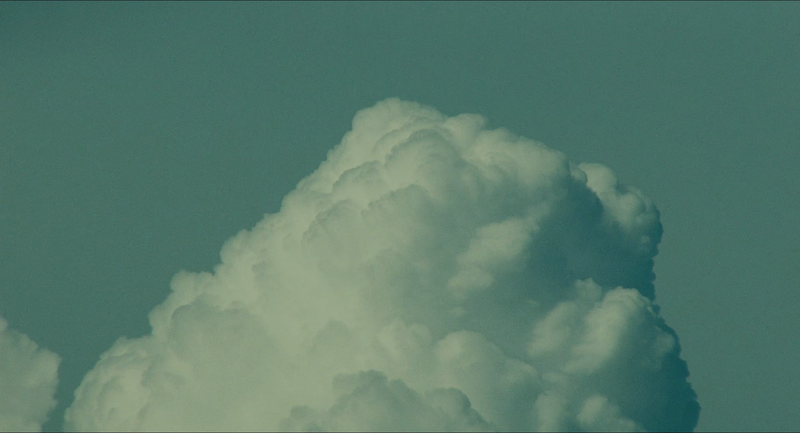
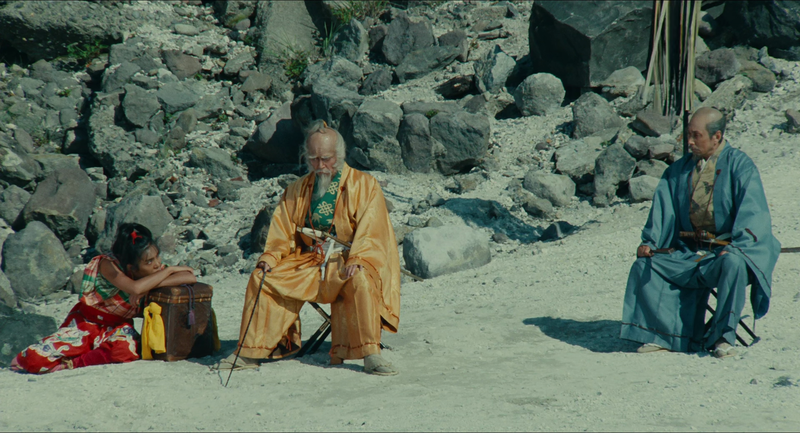
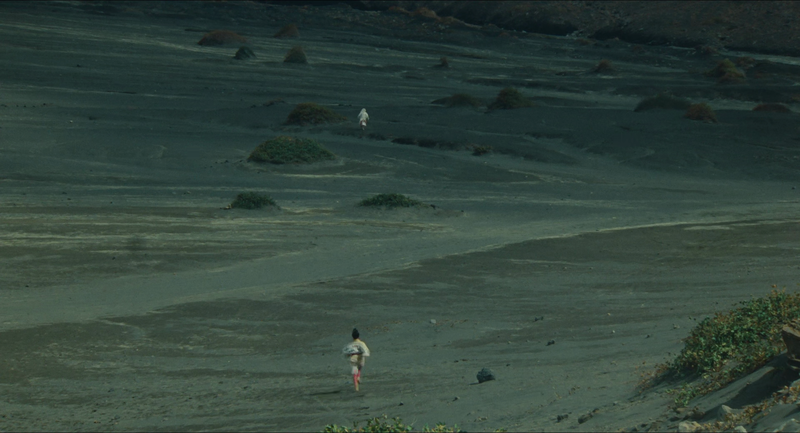
The film itself is beautiful. I have attached a few screenshots from the film below.
Comments
There's nothing here yet because the lazy webmaster hasn't implemented the comments script!